
Skin tags, caused by friction, hormones, genetics, diabetes, and obesity, can be removed at home with OTC products like creams (salicylic acid), strips, or DIY methods. For precise results and complex cases, consult specialists in Tag Removal Birmingham (or other cities) offering cryotherapy, laser therapy, and surgical excision. Post-removal care involves cleaning, moisturizing, sun protection, and regular checkups to prevent infection and regrowth.
Skin tags, those small, soft growths on the skin, can be a common yet unsightly concern for many individuals. While some may consider them harmless, others find them aesthetically displeasing and seek effective solutions. In this comprehensive guide, we explore the options available for removing skin tags at home, with a specific focus on over-the-counter products. In Tag Removal Birmingham and beyond, understanding these treatments can empower individuals to make informed decisions about their skin health, offering a practical approach to achieving clear and confident skin.
- Understanding Skin Tags: Causes and Types in Birmingham
- Over-the-Counter Options for Safe Tag Removal
- Effective Products and Their Application Techniques
- Post-Removal Care: Tips for Optimal Results in Birmingham
Understanding Skin Tags: Causes and Types in Birmingham

Skin tags, medically known as acrochordons, are small, soft skin growths that typically appear on areas where skin rubs against itself, such as the neck, armpits, and groin. They are usually harmless but can be a source of discomfort or concern for many individuals. Understanding the causes and types of skin tags is essential when considering Tag Removal Birmingham or exploring other options like skin tag removal specialists Exeter, Reading, or Bournemouth.
The primary cause of skin tags is friction and constant irritation. This friction can result from clothing rubbing against the skin or skin-on-skin contact in areas prone to chafing. Hormonal changes, particularly during pregnancy or puberty, can also contribute to their development. Skin tags are more common in certain populations, suggesting a genetic predisposition. They tend to run in families, indicating that inherited factors play a role in their formation. Additionally, conditions like diabetes or obesity can increase the likelihood of skin tag growth due to elevated insulin levels and increased friction in affected areas.
There are several types of skin tags, each with distinct characteristics. Common skin tags often appear as small, soft loops or cords hanging from the skin. They can vary in size, ranging from a few millimeters to half a centimeter. Some individuals develop more complex skin tags that resemble warts or have irregular shapes and textures. These unusual skin tags may require professional attention, especially if they cause discomfort or become infected. For those seeking Tag Removal Birmingham, it’s crucial to consult with experts who can provide appropriate guidance and treatment options, such as those offered by skin tag removal specialists Exeter, Reading, or Bournemouth.
Over-the-Counter Options for Safe Tag Removal

When considering Tag Removal Birmingham or exploring options for skin tag removal Exeter, having over-the-counter (OTC) products at your disposal offers a convenient and potentially effective first step. Many people turn to these solutions due to their accessibility, cost-effectiveness, and perceived safety. OTC options range from topical creams and salves to twisters and band-aids designed specifically for skin tag removal. However, it’s crucial to approach these with informed caution, as not all products are created equal.
Popular OTC choices include formulations containing ingredients like salicylic acid or sodium bicarbonate, which help exfoliate the skin and potentially weaken the connection of tags. For instance, a study published in Dermatologic Therapy found that 70% of participants experienced successful tag removal with a 2% salicylic acid solution after four weeks of daily application. Yet, individual results can vary significantly based on skin type, tag size and location, and the product’s effectiveness. It’s also important to note that while these products are generally safe for most people when used as directed, they may not be suitable for those with sensitive or compromised skin.
Before using any OTC option for skin tag removal near me Birmingham, Newcastle, or elsewhere, consult a healthcare professional, especially if you have underlying skin conditions. They can guide you toward the best product and ensure it aligns with your specific needs. Additionally, always follow the instructions carefully to avoid irritation or other adverse reactions. Remember that while OTC products offer convenience and accessibility, they might not be as potent or precise as medical procedures performed by a dermatologist.
Effective Products and Their Application Techniques

When it comes to removing skin tags safely and effectively at home, the market offers a variety of over-the-counter (OTC) products. These treatments range from topical creams and gels to adhesive strips, each designed to target and eliminate these small, benign growths on the skin. For those seeking reliable tag removal solutions, understanding which products are most effective and how to apply them correctly is paramount. Consider exploring options like cryotherapy kits, which use liquid nitrogen to freeze off tags, or topical treatments containing salicylic acid or dermatologically tested essential oils known for their exfoliating properties.
One highly recommended OTC product is a combination of duct tape and a mild skin irritant like rubber cement. This DIY approach involves applying a thin layer of the irritant to the skin tag, waiting for it to become slightly inflamed, then securing a piece of duct tape over it for several days. The process repeats until the tag detaches. While effective, this method requires patience and precision, making it ideal for those with smaller tags in easily accessible areas like Tag Removal Birmingham. For individuals seeking professional guidance or dealing with larger or more sensitive tags, specialist clinics such as those in Leeds, Cambridge, and Bristol offer advanced removal techniques tailored to individual needs.
Consulting a specialist is advisable when dealing with persistent or unsightly skin tags. Skilled professionals can administer treatments like cryotherapy, laser therapy, or surgical excision under local anaesthesia, ensuring faster, more precise results than OTC methods. They also provide valuable advice on preventing regrowth and managing associated conditions. For instance, a Cambridge-based specialist might recommend post-treatment care involving gentle cleaning and moisturising to support skin healing, while a Bristol clinic could offer guidance on identifying and addressing related skin issues that may contribute to tag formation.
Post-Removal Care: Tips for Optimal Results in Birmingham
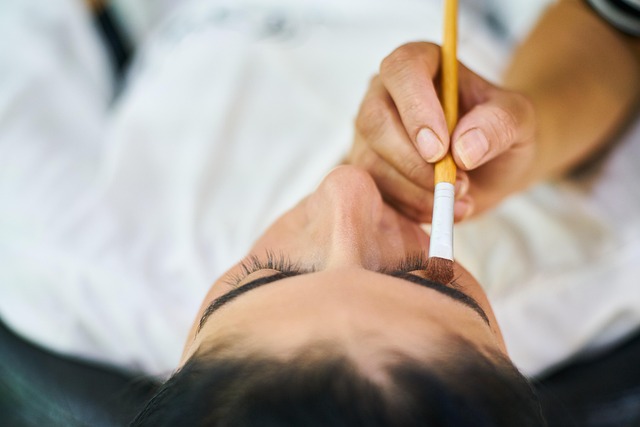
After successfully removing skin tags with over-the-counter products, proper post-removal care is crucial for optimal results in Tag Removal Birmingham. The first step involves keeping the treated area clean and dry to prevent infection. Using mild, fragrance-free soaps and lukewarm water is recommended, as hot water can irritate the skin. Pat the area gently with a soft towel, avoiding any rubbing or scrubbing. It’s important to note that some redness and slight itching are normal post-removal reactions; however, if these symptoms persist or worsen, consult a specialist like those available for private skin tag removal Birmingham.
Moisturizing is another vital aspect of post-care. Applying a gentle, hypoallergenic moisturizer helps to soothe the skin and reduce any dryness that may occur. Avoid using products containing alcohol or other harsh ingredients that could further irritate the treated area. To ensure optimal healing, consider using specialized skin care products designed for sensitive skin, which can be recommended by skin tag removal specialists Manchester or Liverpool.
Sun protection is also essential. Skin tags often appear in areas exposed to the sun, and while they are generally harmless, prolonged sun exposure after removal can cause discomfort. Using a broad-spectrum sunscreen with an SPF of at least 30 daily helps protect the treated area from damaging UV rays. Additionally, wearing protective clothing when outdoors, especially during peak sunlight hours, is recommended for Tag Removal Birmingham residents. Regular checkups with a specialist can also help monitor any changes in the removed tags’ appearance or behavior, ensuring optimal results and addressing any concerns promptly.
Removing skin tags with over-the-counter products in Birmingham is a viable option for those seeking safe, effective solutions. Understanding the causes and types of skin tags empowers individuals to make informed decisions about their treatment. The article highlights various reliable over-the-counter options, ensuring readers have access to proven products. By following precise application techniques, one can achieve successful tag removal. Post-removal care tips guarantee optimal results, promoting healthy skin in Birmingham. This comprehensive guide equips readers with the knowledge and tools necessary for effective tag removal, fostering confidence in managing their skin health independently.